Itinerary
Day
1
1
Delhi – Agra
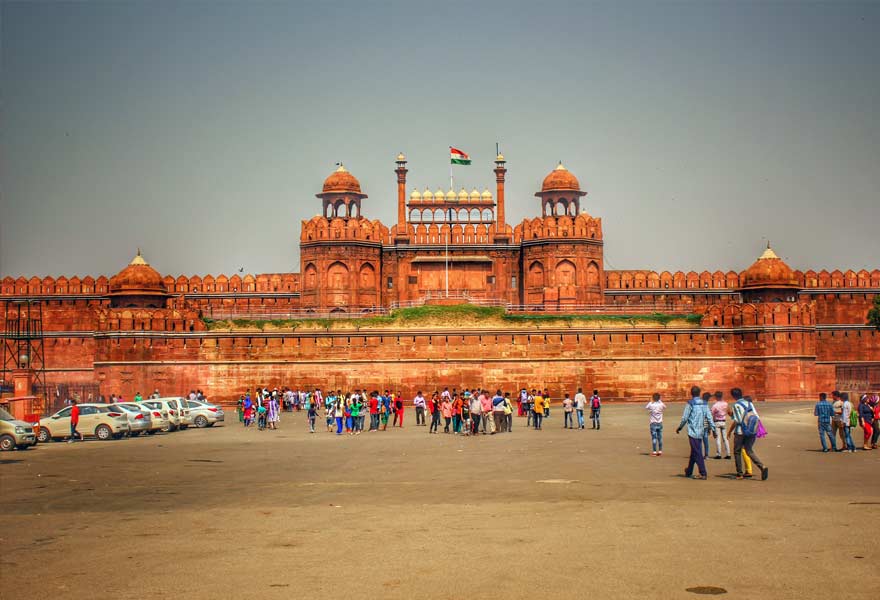
- Red Fort
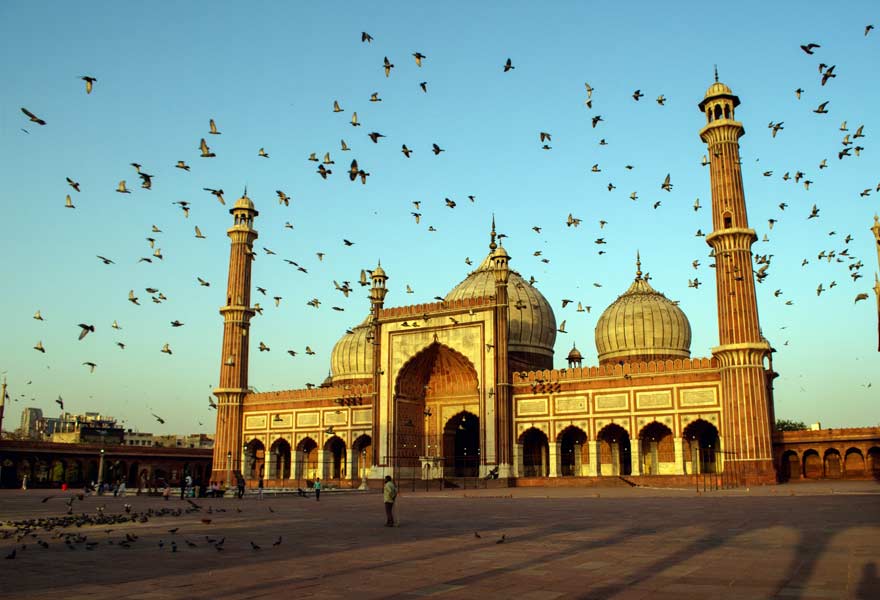
- Jama Masjid
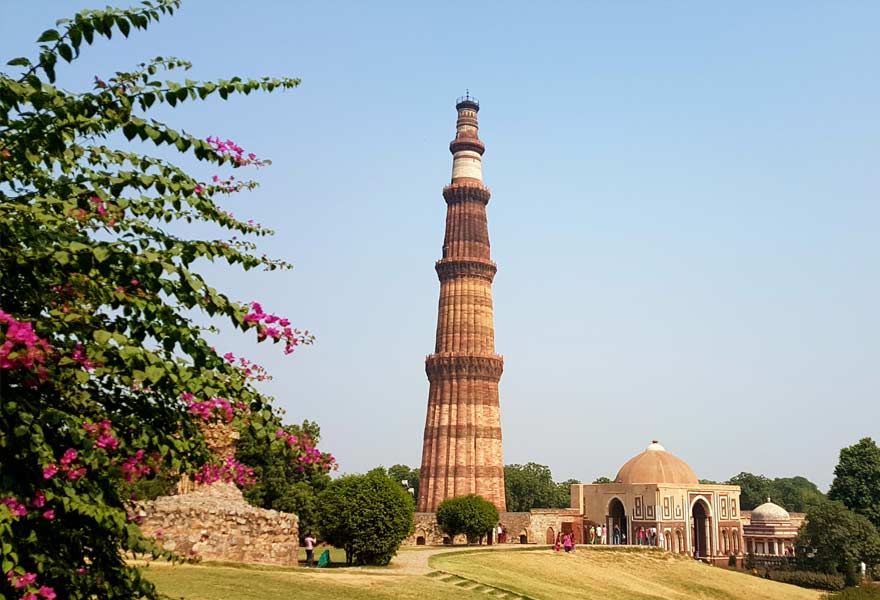
- Qutub Minar
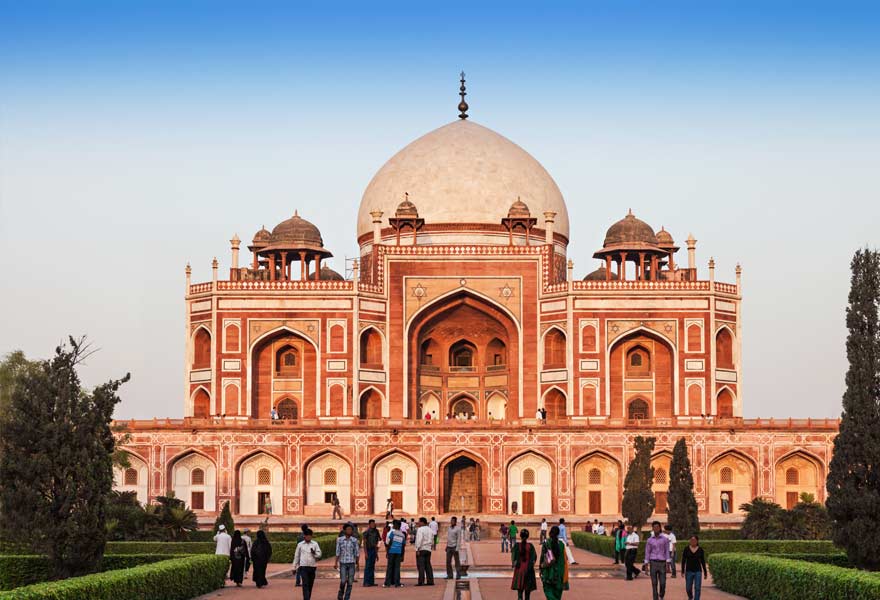
- Humayun’s Tomb
- 07:00 am- You will be met at Delhi International Airport or collected from your hotel by our English-speaking driver, in an air-conditioned car, for your day of sightseeing in Delhi, which includes:
The Red Fort, also known as “Lal Quila” which is considered to be the zenith of Mughal-empire creativity, initiated in 1526 by Shah Jahan (who also built the Taj Mahal).
Jama Masjid – the largest mosque in India and also the brainchild of Emperor Shah Jahan – constructed between 1644 and 1658 in red sandstone. It can hold up to 25,000 people at any one time for prayer.
Qutab Minar – the “Tower of Victory” – a much-earlier landmark dating back to 1193, surrounded by a lush, green garden
Lunch at a restaurant of your choice.
After lunch, you will continue sightseeing, with a visit to Hamayun’s Tomb, the first garden-tomb in India – a mausoleum constructed in 1570 by the Mughal emperor Hamayun’s wife, Bega Begum.
Lotus Temple – the famous Bahai house of worship, celebrated for its lotus-flower shape and unique in that is visited by people from all religions and castes. - 17:00 pm – Drop off at New Delhi railway station to board your train to Agra – the A P Express, Train No. 12724 and the chance to enjoy dinner on the train.
- 22:30 pm: On arrival at Agra, you will be met by our driver and air-conditioned car for transfer to your chosen hotel.
Day
2
2
Agra – Varanasi
- Agra Fort
- Taj Mahal
- Buland Darwaza
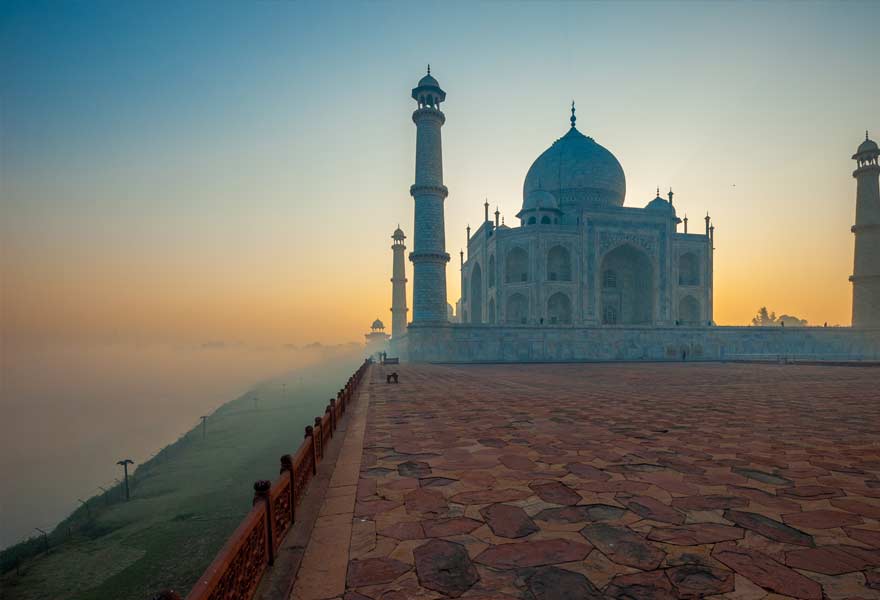
- 06:00 am:Taj Mahal sunrise visit – this monument is the epitome of Mughal Art and considered as one of the finest architectural buildings in the world. It was built by Mughal Emperor, Shah Jahan, to commemorate his beloved wife Mumtaz and is considered to be one of the highlights of any visit to India.
Return to your hotel for breakfast prior to 9.00 departure for additional sightseeing, to include:
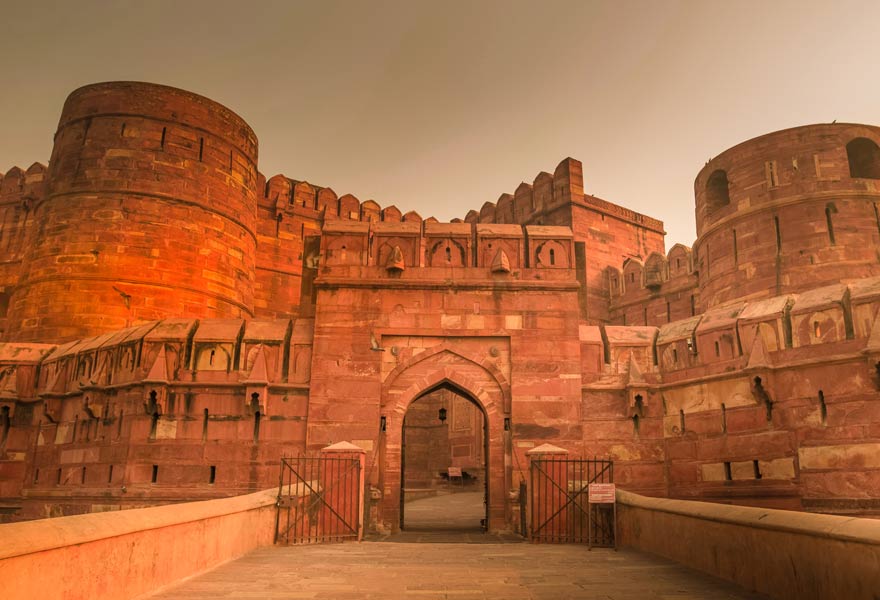
Agra Fort – The amazing fort on the banks of the River Yamuna, constructed by Mughal Emperor, Akbar, in the 16th century – one of India’s most impressive Mughal monuments alongside the Taj Mahal.
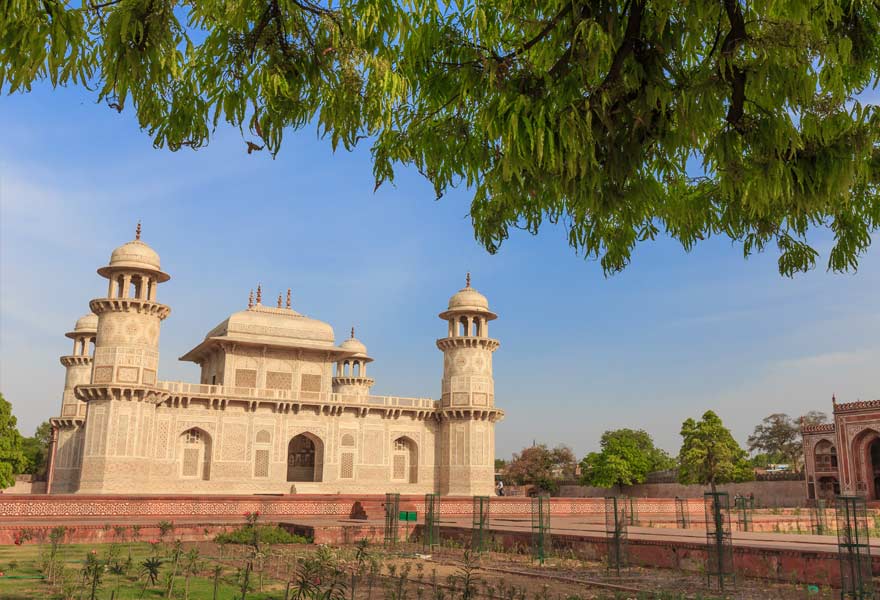
Itimad-ud-Daulah’s Tomb (Baby Taj) – This smaller, but equally exquisite building is designed with a cruciform garden, criss-crossed by water courses. It was constructed between 1622 and 1628 by Nur Jahan, the wife of Jahangir, for her father Mirza Ghiyas Beg.
Lunch at a restaurant of your choice. - 14:00 pm – Visit to Fatehpur Sikri, the ancient fortified desert city of palaces and a unique mosque.
- 17:00 pm – Return to Agra railway station to board your train to Varanasi
- 18:30 pm –Ajmer-Sealdah Express, Train No. 12988, with dinner on board.
Day
3
3
Varanasi – Delhi (by evening flight)
- Kashi Vishwanath Temple
- Ganga Ghats
- 5.00: Meet and greet at Varanasi Railway Station by our English-speaking guide with air-conditioned vehicle for transfer to your hotel, where you will have the chance to check-in and enjoy breakfast
- 09:00 am – Departure for sightseeing in Varanasi to include:
Kashi Vishwanath Temple – one of the most popular Hindu temples in India, dedicated to Lord Shiva and positioned on the western bank of the revered River Ganges. This temple is renowned for its Hindu art, culture and scriptures.
Ramnagar Fort – located on the opposite bank of the River Ganges, this famous museum and temple complex constructed of red sandstone was constructed by Maharaja Balwant Singh in the 18th century.
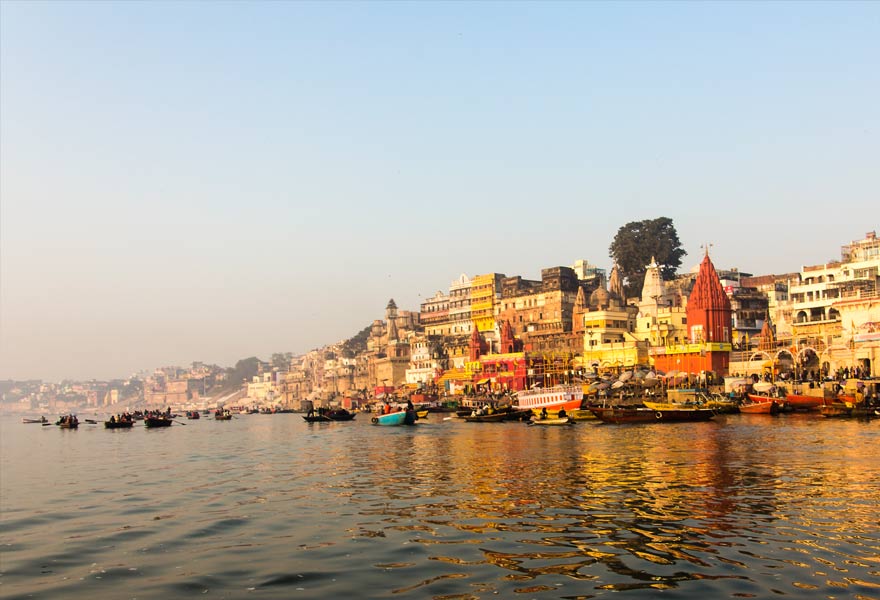
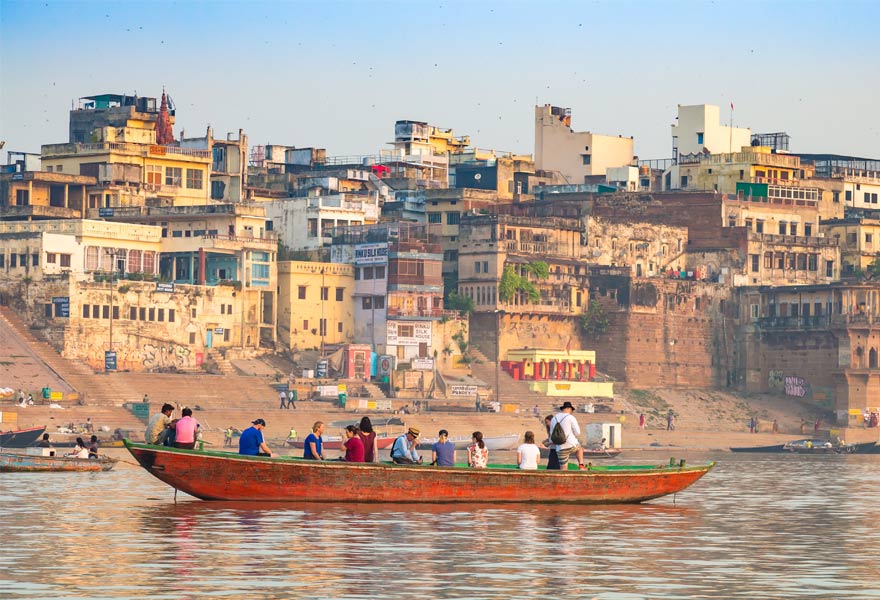
Dasaswamedh Ghat – one of the most famous of Varanasi’s celebrated riverfront step locations used for bathing and puja ceremonies and visited by both Hindu devotees and tourists.
Lunch at a restaurant of your choice.
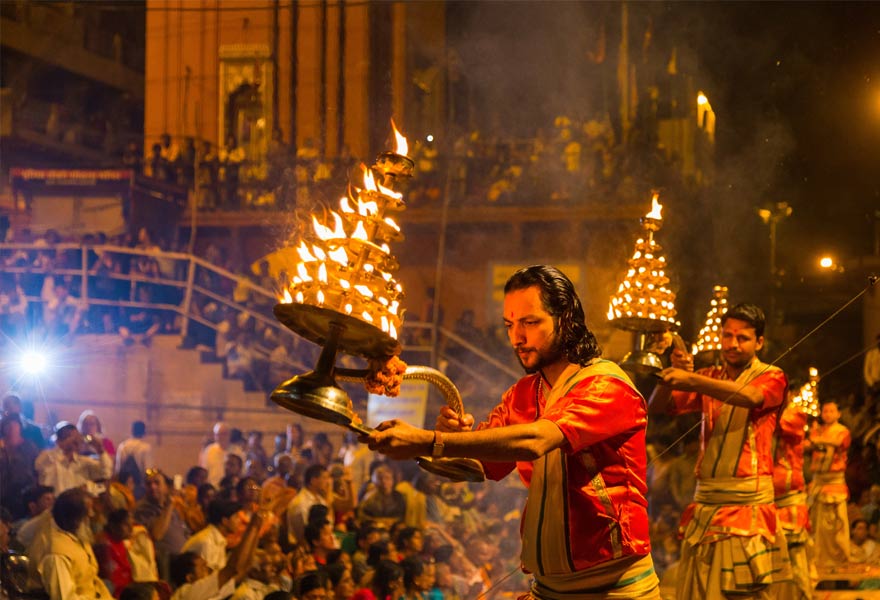
After lunch, depart for Sarnath, a short 12-kilometre drive from Varanasi. This one of the most important pilgrimage centres in India and features exquisitely-carved Jain temples. - 16:00 pm – Return to Varanasi for Aarti – the religious ritual of Hindu worship and part of puja, where candles and flowers are floated down the sacred River Ganges.
- 19:00 pm – Drop off at Varanasi Airport to board your flight to Delhi to connect with your international flight home.
Tour Ends